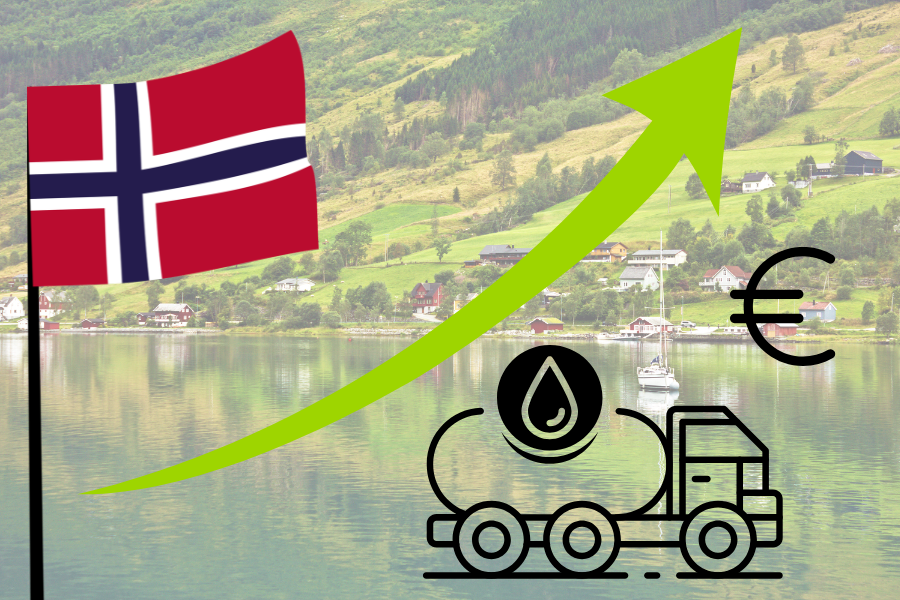
Fuel price shock drives sharp rise in consumer prices and raises new questions over future interest rates
Norway’s Inflation Surges to 3.6% in March 2026
Fuel price shock drives sharp rise in consumer prices and raises new questions over future interest rates
PUBLISHED April 28, 2026
Inflation Jumps Higher in March
According to “Prisveksten steg kraftig til 3,6 prosent i mars” published by E24.no, annual inflation in Norway rose sharply to 3.6% in March 2026, up from 2.7% in February. The latest figures marked a significant acceleration in price growth and came in stronger than many had expected
Fuel Prices Were the Main Driver
The strongest reason behind the increase was a record monthly jump in fuel prices. E24 reported that higher oil and gas prices, linked to the conflict in the Middle East, created a major shock in transport-related costs. Statistics Norway described the fuel increase as the strongest monthly rise ever recorded.
Core Inflation Remains Elevated
While headline inflation rose sharply, underlying inflation also remained high. Core inflation held steady at 3.0%, which remains well above Norges Bank’s long-term inflation target of 2%. This suggests that price pressure in Norway is not limited only to energy markets.
Food Prices Offered Some Relief
Not every category moved higher. Food prices fell by 2.6% from February to March, which E24 noted is common around Easter due to seasonal promotions and discount campaigns. This helped offset part of the broader inflation increase.
Food Prices Offered Some Relief
Not every category moved higher. Food prices fell by 2.6% from February to March, which E24 noted is common around Easter due to seasonal promotions and discount campaigns. This helped offset part of the broader inflation increase.
Interest Rate Outlook Changes Again
The stronger inflation figures may affect monetary policy expectations. E24 cited economists who now believe Norges Bank could respond with a future interest rate increase if price growth remains persistent. Earlier hopes for rate cuts may therefore weaken further.
Pressure on Households and Borrowers
For Norwegian households, the renewed inflation jump creates additional uncertainty. Higher prices reduce purchasing power, while the possibility of higher borrowing costs could place extra pressure on mortgage holders and consumers already facing elevated living expenses.
Norway’s Outlook Depends on Energy Markets
The months ahead may depend heavily on whether fuel and energy prices stabilize. If commodity markets calm, inflation could ease again later in 2026. If not, Norway may face a longer period of elevated prices and tighter monetary conditions.
Interest Rate Outlook Changes Again
The stronger inflation figures may affect monetary policy expectations. E24 cited economists who now believe Norges Bank could respond with a future interest rate increase if price growth remains persistent. Earlier hopes for rate cuts may therefore weaken further.
Pressure on Households and Borrowers
For Norwegian households, the renewed inflation jump creates additional uncertainty. Higher prices reduce purchasing power, while the possibility of higher borrowing costs could place extra pressure on mortgage holders and consumers already facing elevated living expenses.
Norway’s Outlook Depends on Energy Markets
The months ahead may depend heavily on whether fuel and energy prices stabilize. If commodity markets calm, inflation could ease again later in 2026. If not, Norway may face a longer period of elevated prices and tighter monetary conditions.
Follow us on LinkedIn!
Follow us on LinkedIn!
Would you like to sell your products or services worldwide?
Schedule an appointment with our international sales team
Would you like to sell your products or services worldwide?
Schedule an appointment with our international sales team