Industrial slowdown and geopolitical risks cloud Germany’s outlook
Germany’s Recovery Loses Momentum in Early 2026
Industrial slowdown and geopolitical risks cloud Germany’s outlook
PUBLISHED April 28, 2026
A Slower Start to the Year
According to “Die wirtschaftliche Lage in Deutschland im März 2026” published by the Bundesministerium für Wirtschaft und Energie, Germany entered the new year with weaker momentum than many observers had anticipated. After signs of stabilization at the end of 2025, economic activity slowed again during the first months of 2026. This suggests that the country’s recovery remains fragile rather than firmly established.
Industrial Production Under Pressure
One of the clearest warning signs came from Germany’s industrial sector. The report highlighted weaker production levels and softer incoming orders, indicating that manufacturers continue to face a difficult operating environment. Germany’s export-driven industrial base remains sensitive to changing global demand, supply chain disruptions, and financing conditions.
Consumers Remain Cautious
Retail sales data also pointed to restrained domestic demand. Although inflation has eased compared with previous years, households are still spending carefully. Many consumers remain concerned about future costs and economic uncertainty, limiting the stronger rebound in private consumption that policymakers had hoped to see.
Energy Prices Return as a Risk
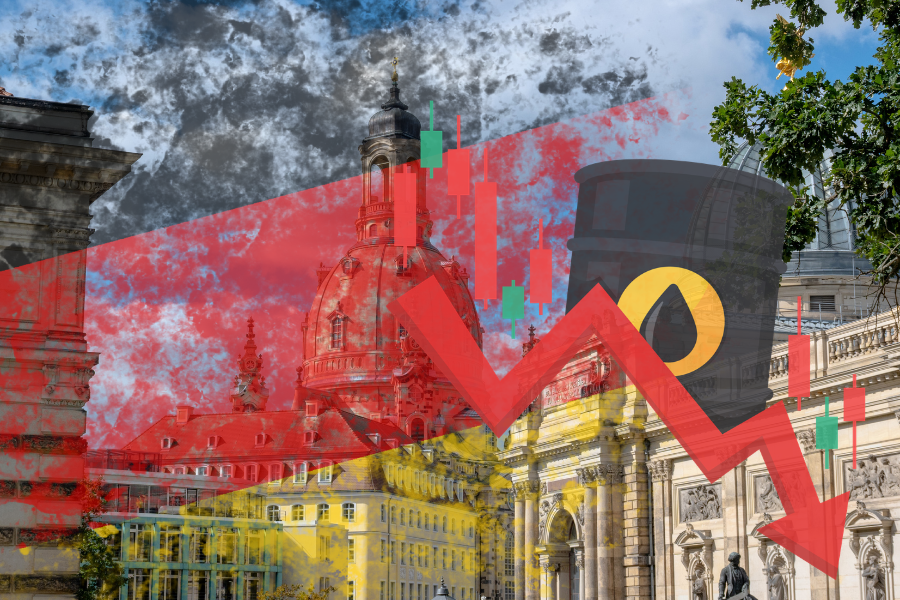
A renewed rise in oil and natural gas prices has added another challenge. Tensions in the Middle East have increased volatility in global energy markets, creating fresh pressure for businesses and households. For Germany, where industrial competitiveness is closely linked to energy costs, this remains a particularly important issue.
Energy Prices Return as a Risk
A renewed rise in oil and natural gas prices has added another challenge. Tensions in the Middle East have increased volatility in global energy markets, creating fresh pressure for businesses and households. For Germany, where industrial competitiveness is closely linked to energy costs, this remains a particularly important issue.
Labor Market Provides Stability
Despite weaker output figures, Germany’s labor market has stayed relatively stable. Employment levels and wage growth continue to support household incomes, helping to prevent a sharper slowdown. This resilience remains one of the key strengths of the German economy during the current uncertain period.
Why Europe Is Watching Closely
Germany’s performance matters far beyond its own borders. As Europe’s largest economy, the country plays a major role in regional trade, manufacturing, and investor sentiment. A stronger German rebound could support wider eurozone growth, while prolonged weakness may weigh on the broader European recovery.
The Decisive Months Ahead
The next quarters are likely to determine the direction of Germany’s economy in 2026. Industrial competitiveness, export demand, consumer confidence, and energy market developments will all shape the outlook. For now, Germany remains resilient—but its path back to stronger growth is still uncertain.
Labor Market Provides Stability
Despite weaker output figures, Germany’s labor market has stayed relatively stable. Employment levels and wage growth continue to support household incomes, helping to prevent a sharper slowdown. This resilience remains one of the key strengths of the German economy during the current uncertain period.
Why Europe Is Watching Closely
Germany’s performance matters far beyond its own borders. As Europe’s largest economy, the country plays a major role in regional trade, manufacturing, and investor sentiment. A stronger German rebound could support wider eurozone growth, while prolonged weakness may weigh on the broader European recovery.
The Decisive Months Ahead
The next quarters are likely to determine the direction of Germany’s economy in 2026. Industrial competitiveness, export demand, consumer confidence, and energy market developments will all shape the outlook. For now, Germany remains resilient—but its path back to stronger growth is still uncertain.
Follow us on LinkedIn!
Follow us on LinkedIn!
Would you like to sell your products or services worldwide?
Schedule an appointment with our international sales team
Would you like to sell your products or services worldwide?
Schedule an appointment with our international sales team