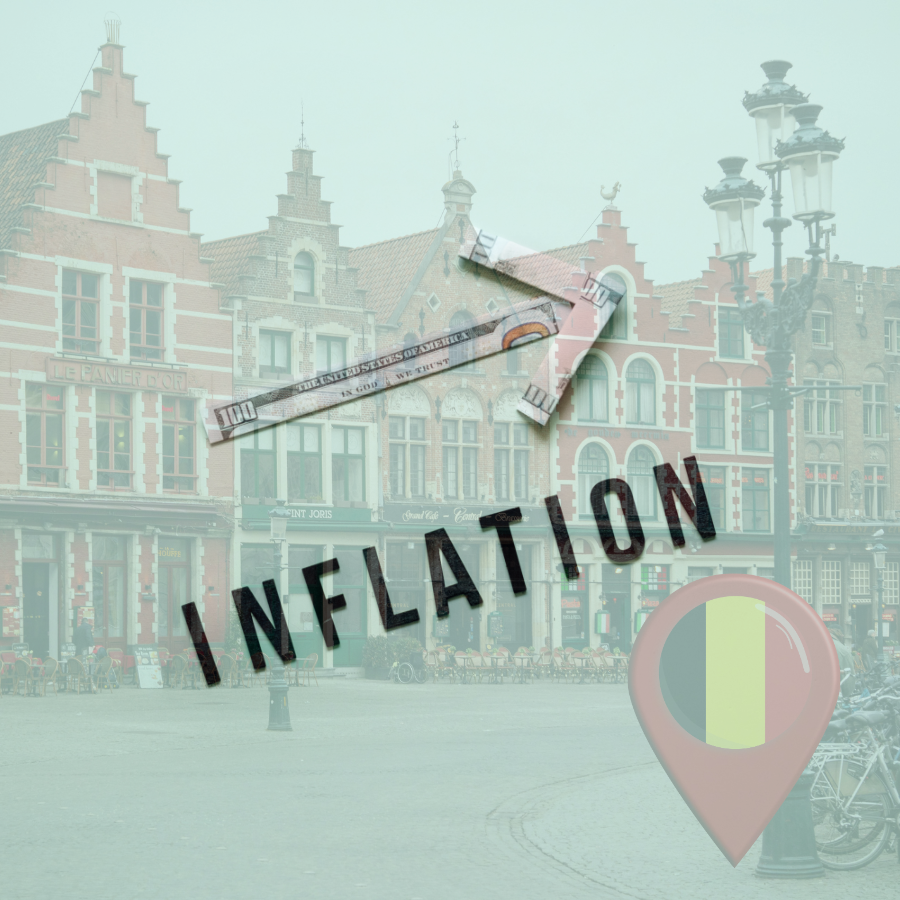
Higher consumer prices signal renewed pressure after softer readings earlier in the year
Belgium’s Inflation Picks Up Again in March 2026
Higher consumer prices signal renewed pressure after softer readings earlier in the year
PUBLISHED April 28, 2026
Inflation Accelerates in March
According to “Belgium Consumer Prices” published by FocusEconomics, inflation in Belgium increased in March 2026 compared with the previous month. The latest data suggests that price pressures regained momentum after moderating earlier in the year.
Reversal After Earlier Softening
The March figure marked a change from the previous month’s lower reading. This indicates that Belgium’s inflation trend remains uneven, with monthly fluctuations still shaping the broader price outlook.
Consumer Costs Remain a Key Issue
Higher inflation matters directly for Belgian households, as it affects purchasing power, savings, and monthly living costs. Even moderate increases can influence spending decisions when confidence is already cautious.
Businesses Also Watch Price Trends Closely
For companies, renewed inflation can raise wage pressure, operating costs, and financing uncertainty. Belgian businesses, particularly those exposed to international competition, remain sensitive to persistent cost increases.
Businesses Also Watch Price Trends Closely
For companies, renewed inflation can raise wage pressure, operating costs, and financing uncertainty. Belgian businesses, particularly those exposed to international competition, remain sensitive to persistent cost increases.
ECB Policy Implications
Belgium is part of the euro area, meaning inflation developments also matter for European Central Bank policy expectations. If price pressures remain elevated across member states, interest rate expectations could shift again during 2026.
Belgium Still Faces a Mixed Outlook
The latest inflation pickup comes at a time when Belgium’s broader economy is balancing steady domestic demand with structural fiscal and competitiveness challenges. This makes stable price growth especially important.
What Comes Next
The coming months will show whether March was a temporary rebound or the start of a firmer inflation trend. For households, businesses, and policymakers, Belgium’s price path remains an important indicator for the rest of 2026.
ECB Policy Implications
Belgium is part of the euro area, meaning inflation developments also matter for European Central Bank policy expectations. If price pressures remain elevated across member states, interest rate expectations could shift again during 2026.
Belgium Still Faces a Mixed Outlook
The latest inflation pickup comes at a time when Belgium’s broader economy is balancing steady domestic demand with structural fiscal and competitiveness challenges. This makes stable price growth especially important.
What Comes Next
The coming months will show whether March was a temporary rebound or the start of a firmer inflation trend. For households, businesses, and policymakers, Belgium’s price path remains an important indicator for the rest of 2026.
Follow us on LinkedIn!
Follow us on LinkedIn!
Would you like to sell your products or services worldwide?
Schedule an appointment with our international sales team
Would you like to sell your products or services worldwide?
Schedule an appointment with our international sales team