
BUSINESS NEWS FROM SWITZERLAND

BUSINESS NEWS FROM SWITZERLAND

Switzerland's Economy at the End of 2025

Swiss Inflation Hits Five-Year Low in 2025

Sales Magazine powered by ReformBusiness, your external sales partner

Switzerland's Economy at the End of 2025

Swiss Inflation Hits Five-Year Low in 2025

Sales Magazine powered by ReformBusiness, your external sales partner

PUBLISHED January 15, 2026

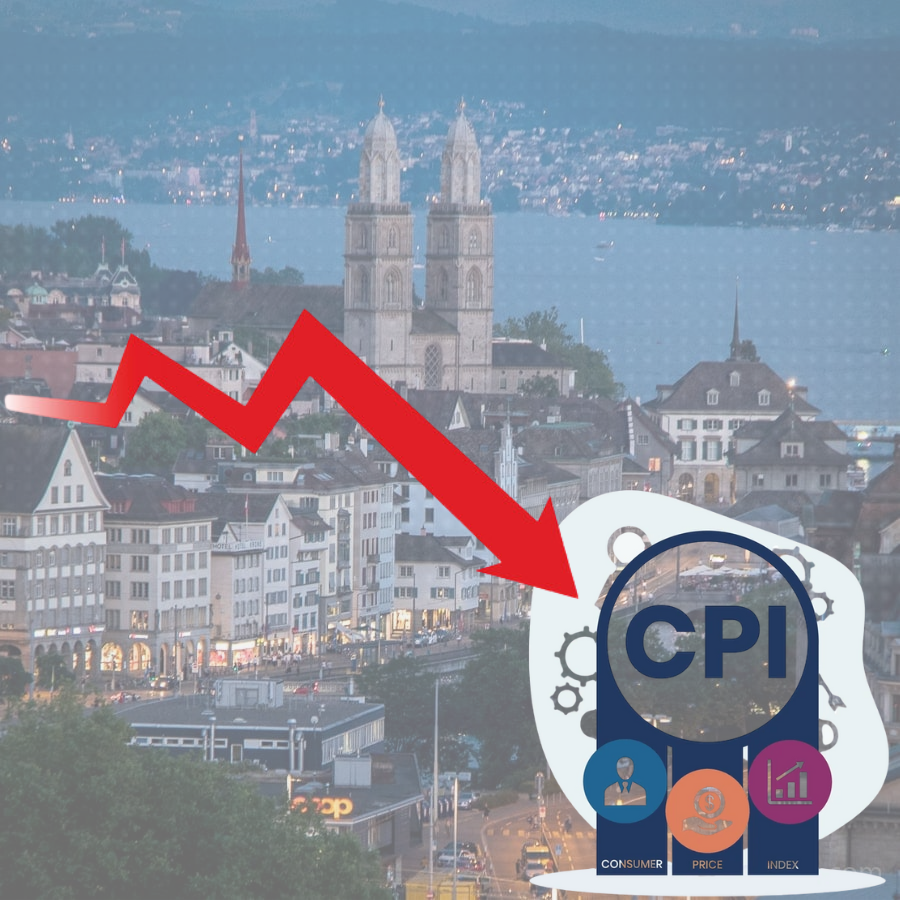
According to “Inflation 2025 auf tiefstem Stand seit fünf Jahren” from Investrends.ch, Switzerland’s consumer price inflation fell sharply in 2025, reaching its lowest level since 2020 according to official data from the Swiss Federal Statistical Office. After a period of elevated price growth earlier in the decade, the average inflation rate declined to just 0.2 % over the course of the year, and in some months prices briefly fell—indicating extremely muted price pressures. Behind these numbers lies a delicate balance between improving domestic activity and persistent challenges in international markets. Although certain sectors are slowly gaining momentum, others continue to struggle under the weight of external factors, leaving the overall outlook mixed rather than uniformly optimistic.

In contrast to the inflation spikes seen in 2022 and 2023, when global disruptions drove up costs significantly, the 2025 slowdown reflects a broader deceleration in price increases both domestically and internationally. While certain categories such as rents, restaurant meals and chocolate saw modest rises, many everyday items—including electricity, gasoline, second-hand cars and medicines—became cheaper year-on-year. However, the rebound in spending and investment is far from robust. Many firms remain cautious, limiting hiring and expansion until global uncertainties and structural bottlenecks become clearer or more predictable.
The Swiss National Bank (SNB) has navigated this environment by holding interest rates at historically low levels, aiming to maintain price stability within its 0-2 % target range. Despite the exceptionally low inflation figures, most economists do not anticipate further deep rate cuts, as price stability alone may not prompt central bankers to ease monetary policy substantially.

What Drove Inflation Lower in Switzerland?

Switzerland’s unusually low inflation rate in 2025 stems from a combination of falling import prices and subdued domestic demand. As global commodity and energy prices eased, the cost of imported goods declined, which helped temper broad price increases in the Swiss market. According to the data, imported goods prices dropped more than domestically produced goods, contributing significantly to the overall slowdown. Additionally, a strong Swiss franc relative to other major currencies limited imported cost pressures and supported lower inflation. Overall, this dynamic illustrates how external factors and exchange-rate movements can exert downward pressure on prices even in a typically stable economy like Switzerland’s.

What Drove Inflation Lower in Switzerland?

Switzerland’s unusually low inflation rate in 2025 stems from a combination of falling import prices and subdued domestic demand. As global commodity and energy prices eased, the cost of imported goods declined, which helped temper broad price increases in the Swiss market. According to the data, imported goods prices dropped more than domestically produced goods, contributing significantly to the overall slowdown. Additionally, a strong Swiss franc relative to other major currencies limited imported cost pressures and supported lower inflation. Overall, this dynamic illustrates how external factors and exchange-rate movements can exert downward pressure on prices even in a typically stable economy like Switzerland’s.

Effects on Consumers and Businesses

For many Swiss consumers, the nearly stagnant price environment translated into modest increases in real purchasing power throughout 2025. Categories such as housing rents, dining out and some services did see moderate price rises, but these were offset by declines in other areas like fuel, electricity and used vehicles. Businesses, on the other hand, faced varying impacts: while lower input costs helped reduce operational pressures for some sectors, persistently low inflation can signal weak demand, which may dampen investment and hiring decisions. In this context, companies and households alike adjusted their spending and pricing expectations in response to the subdued inflation landscape.

Monetary Policy Implications

Despite inflation falling close to zero in mid-2025 and averaging near the bottom of the SNB’s target band, central bankers have shown reluctance to cut interest rates aggressively. Leading economists argue that inflation remaining low on its own is not sufficient justification for significant policy easing. Instead, the SNB is likely to maintain a cautious stance, watching for signs of sustainable economic growth and wage pressures before altering the monetary framework. For 2026, analysts still expect inflation to remain subdued, suggesting that policymakers will continue balancing support for the economy against the risk of deflationary pressures emerging.
Sales Magazine powered by ReformBusiness, your external sales partner

Inflation Outlook and Economic Balance

Switzerland’s inflation performance in 2025—its weakest in five years—reflects both global pricing trends and strong franc dynamics. With average price increases barely above zero, consumers enjoyed relatively stable costs for many goods and services, while businesses adjusted to a softer price environment. Monetary policy is likely to remain cautious, as central bankers weigh ongoing low inflation against broader economic conditions and growth prospects. Going into 2026, muted inflation is expected to persist, suggesting that policymakers will prioritize stability and sustainable growth rather than rapid policy shifts.

Effects on Consumers and Businesses

For many Swiss consumers, the nearly stagnant price environment translated into modest increases in real purchasing power throughout 2025. Categories such as housing rents, dining out and some services did see moderate price rises, but these were offset by declines in other areas like fuel, electricity and used vehicles. Businesses, on the other hand, faced varying impacts: while lower input costs helped reduce operational pressures for some sectors, persistently low inflation can signal weak demand, which may dampen investment and hiring decisions. In this context, companies and households alike adjusted their spending and pricing expectations in response to the subdued inflation landscape.

Monetary Policy Implications

Despite inflation falling close to zero in mid-2025 and averaging near the bottom of the SNB’s target band, central bankers have shown reluctance to cut interest rates aggressively. Leading economists argue that inflation remaining low on its own is not sufficient justification for significant policy easing. Instead, the SNB is likely to maintain a cautious stance, watching for signs of sustainable economic growth and wage pressures before altering the monetary framework. For 2026, analysts still expect inflation to remain subdued, suggesting that policymakers will continue balancing support for the economy against the risk of deflationary pressures emerging.
Sales Magazine powered by ReformBusiness, your external sales partner

Inflation Outlook and Economic Balance

Switzerland’s inflation performance in 2025—its weakest in five years—reflects both global pricing trends and strong franc dynamics. With average price increases barely above zero, consumers enjoyed relatively stable costs for many goods and services, while businesses adjusted to a softer price environment. Monetary policy is likely to remain cautious, as central bankers weigh ongoing low inflation against broader economic conditions and growth prospects. Going into 2026, muted inflation is expected to persist, suggesting that policymakers will prioritize stability and sustainable growth rather than rapid policy shifts.

Follow us on LinkedIn!

Follow us on LinkedIn!

Would you like to sell your products or services worldwide?

Schedule an appointment with our international sales team

Would you like to sell your products or services worldwide?

Schedule an appointment with our international sales team