PUBLISHED January 19, 2026
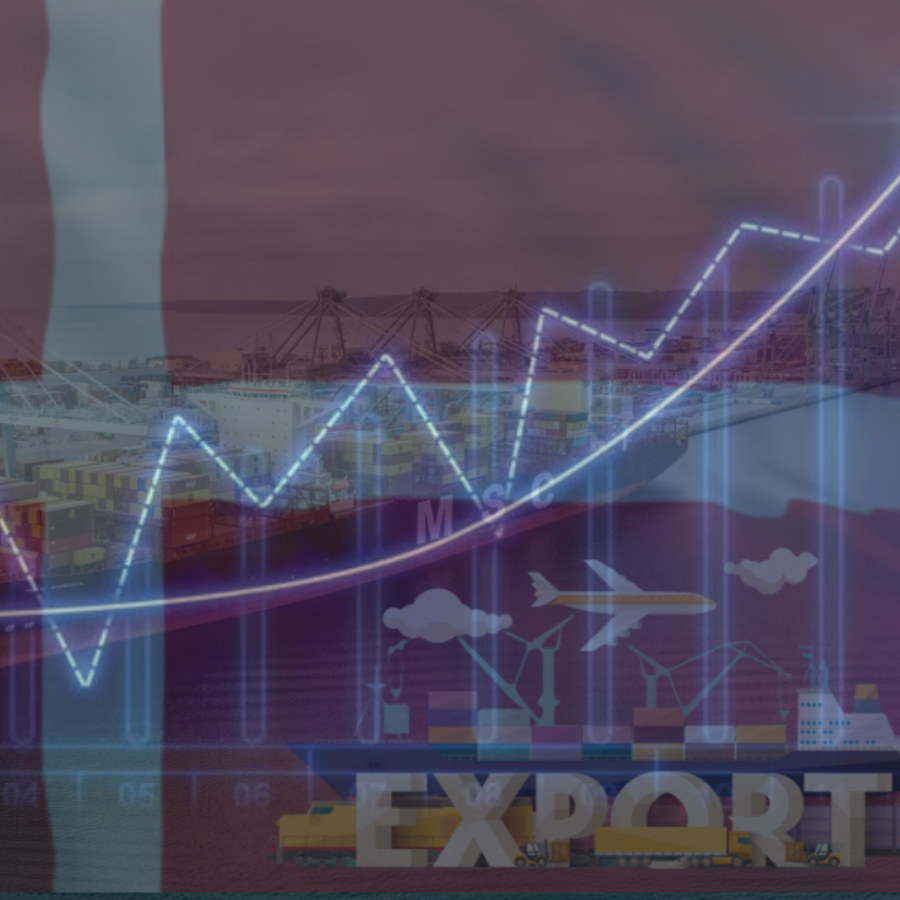
According to “Kommentar: Regeringen skruer op for vækstskønnet for dansk økonomi” from Danskerhverv.dk, on December 4, 2025, Denmark’s government unveiled the final Economic Policy Report of the year, offering fresh projections for the country’s economy through 2026. The headline change was a substantial upward revision of the GDP growth forecast for 2025, reflecting stronger-than-anticipated momentum in recent quarters. Economists now expect economic expansion this year to reach 2.6%, compared with earlier estimates of 1.4%. This adjustment largely results from unexpectedly robust performance in exports and domestic consumption. Export growth has remained vigorous, even in the face of weakening consumer confidence and rising geopolitical uncertainty. Private consumer demand has held up well, supporting overall output in key sectors. According to the report, these trends signal renewed economic confidence.
The government’s revised projections extend into 2026, with GDP growth expected to reach around 2.2%. Policy measures such as tax cuts and lower excise duties are projected to boost household purchasing power. This improvement in disposable income is expected to support private consumption next year and beyond. Continued progress in foreign markets should also support export performance. According to government economists, these factors form a solid basis for continued expansion. The forecast assumes that trade conditions and global demand remain favorable. However, uncertainty remains, particularly regarding external economic conditions.
Business groups broadly share the government’s optimistic outlook, though they highlight key constraints. One central concern is the availability of labor; firms must secure adequate staff to maintain the pace of growth. This includes attracting foreign workers and retaining experienced older workers approaching retirement. Without a sufficient labor supply, some companies risk hitting capacity limits. Policymakers are urged to focus on increasing workforce participation. Enhanced immigration policies and labor market incentives are seen as crucial. Business leaders argue that these reforms would help sustain long-term growth.
The government’s latest Economic Policy Report reflects significantly higher growth expectations for the Danish economy in 2025. GDP is now projected to grow by around 2.6%, a noteworthy upward adjustment from earlier estimates. For 2026, the forecast anticipates growth near 2.2%, supported by stronger domestic consumption and continued export expansion. These upward revisions highlight recent resilience in key economic indicators and suggest more sustained momentum than previously assumed.
The government’s latest Economic Policy Report reflects significantly higher growth expectations for the Danish economy in 2025. GDP is now projected to grow by around 2.6%, a noteworthy upward adjustment from earlier estimates. For 2026, the forecast anticipates growth near 2.2%, supported by stronger domestic consumption and continued export expansion. These upward revisions highlight recent resilience in key economic indicators and suggest more sustained momentum than previously assumed.
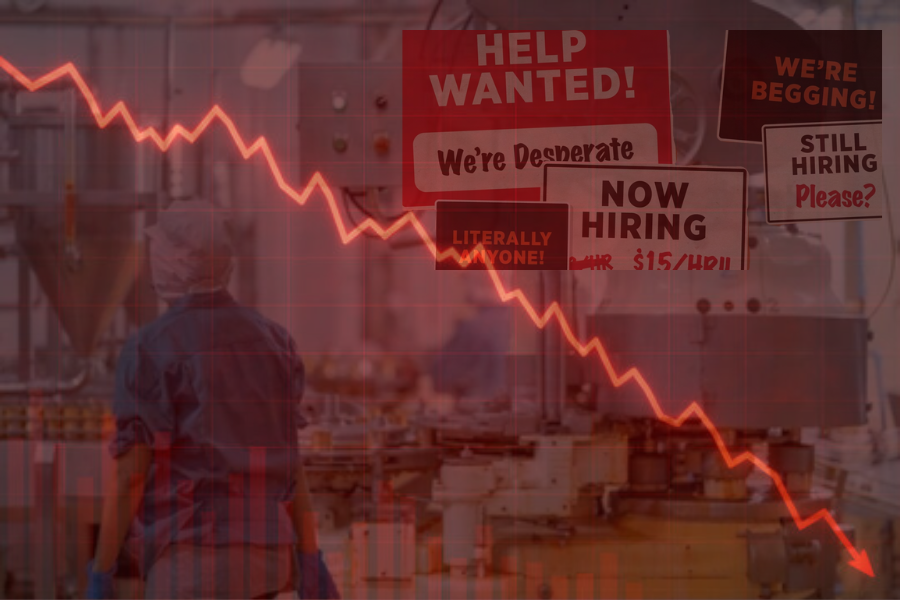
Denmark’s government has significantly raised its economic growth forecasts for 2025 and 2026, reflecting unexpectedly strong performance in exports and private consumption. While business leaders share the optimism, they stress that continued expansion depends on improving labor availability.
Policy efforts aimed at boosting workforce participation and attracting foreign talent are likely to be central to sustaining this momentum.