
BUSINESS NEWS FROM FINLAND

BUSINESS NEWS FROM FINLAND

Finland's Economy at the End of 2025

Finland’s Economic Recovery Lags Expectations, Slow Growth Ahead

Sales Magazine powered by ReformBusiness, your external sales partner

Finland's Economy at the End of 2025

Finland’s Economic Recovery Lags Expectations, Slow Growth Ahead

Sales Magazine powered by ReformBusiness, your external sales partner

PUBLISHED January 19, 2026

According to the Ministry of Finance’s latest economic forecast published on December 18, 2025, Finland’s economic rebound has fallen short of earlier expectations. The economy is set to grow only 0.2 percent this year, reflecting continued weak momentum. This modest expansion is driven in part by underwhelming domestic demand and a cautious consumer mood. Despite increases in incomes, household spending has remained muted throughout the year. Construction activity has not rebounded as hoped, waiting on clearer signs of improvement in the housing market. Economic uncertainty related to labor markets and geopolitics has also tempered confidence. As a result, many businesses and households have delayed major investments and purchases.

The forecast does project a gradual improvement from 2026 onward. GDP is expected to pick up to 1.1 percent growth in 2026, followed by 1.7 percent in 2027 and 1.6 percent in 2028. This strengthening is anticipated as labor markets slowly heal and wage growth supports higher purchasing power. Moderate inflation and easing price pressures relative to the euro area may also help spur consumption. Rising employment and increasing household saving flexibility are additional tailwinds. However, consumption and private investment have shown only tentative signs of rebound. External economic conditions remain a key uncertainty for this gradual recovery.

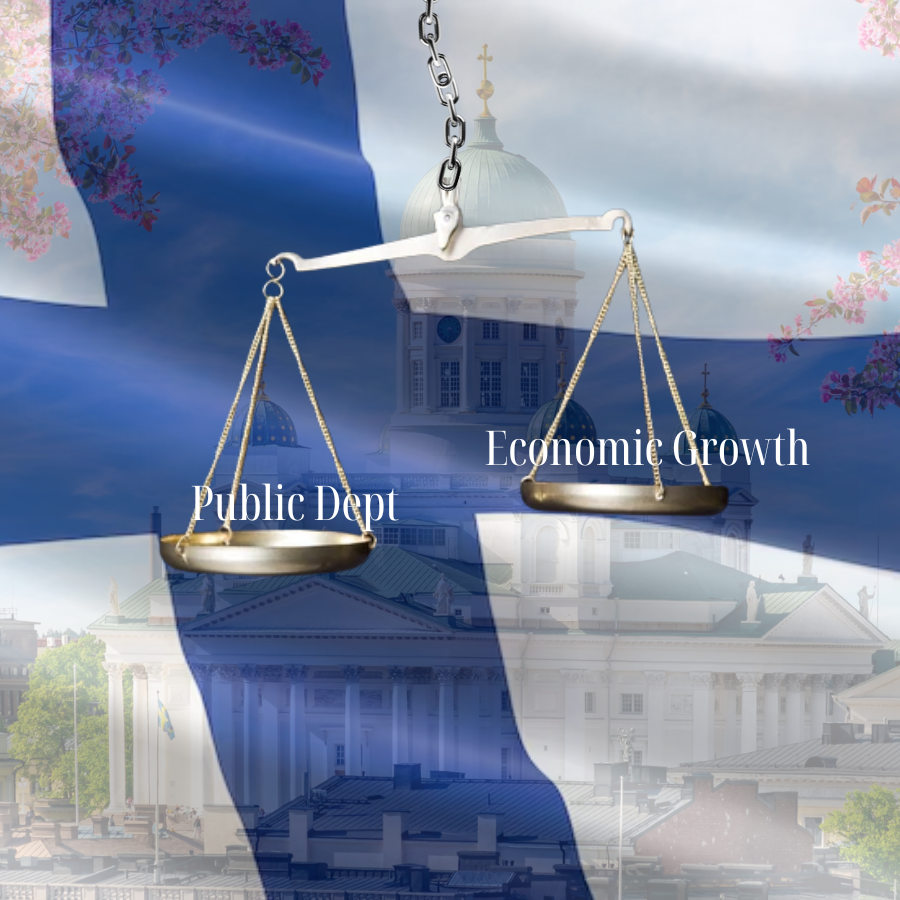
Public finances are under strain as weaker growth translates into wider government deficits. Because GDP expansion is limited, public debt and deficits are rising faster than previously projected. Rising deficits add pressure on fiscal policy and create challenges for long-term budget sustainability. At the same time, structural forces such as demographic shifts and labor supply constraints weigh on potential output. Consumer confidence has also been dampened by prolonged uncertainty, delaying stronger private spending. Such persistent hesitancy makes a return to more robust growth slower than hoped. Policy responses aim to bolster labor markets and strengthen competitiveness over the medium term.

Weak Growth in 2025: A Disappointing Start

Finland’s economy is advancing very slowly in 2025, with GDP growth forecast at only 0.2 percent for the year. Domestic demand remains subdued, with households spending cautiously despite real income gains. Construction activity, traditionally a growth driver, has been slower to recover than expected. This backdrop means that the recovery from the recent downturn has not yet gained broad traction.

Weak Growth in 2025: A Disappointing Start

Finland’s economy is advancing very slowly in 2025, with GDP growth forecast at only 0.2 percent for the year. Domestic demand remains subdued, with households spending cautiously despite real income gains. Construction activity, traditionally a growth driver, has been slower to recover than expected. This backdrop means that the recovery from the recent downturn has not yet gained broad traction.

Gradual Improvement Ahead

From 2026 onward, Finland’s economy is expected to move onto a more stable growth path. According to the government’s forecast, GDP growth should rise to around 1.1 percent in 2026, followed by 1.7 percent in 2027 and 1.6 percent in 2028. While these figures do not point to a rapid rebound, they suggest that the worst phase of stagnation may be coming to an end. One of the main drivers of this gradual recovery is the labor market. Employment is projected to improve slowly, supporting household incomes and strengthening purchasing power. Combined with easing inflation and more predictable price developments, this should allow consumers to increase spending after a prolonged period of caution. Private investment is also expected to recover, although at a moderate pace. Companies remain careful due to lingering uncertainty, but improving demand and better financing conditions could encourage new projects over time. Exports may provide additional support if international markets remain stable. Altogether, the outlook points to steady but fragile progress rather than a strong economic upswing.

Fiscal and Structural Challenges

Despite the improving outlook, Finland faces significant fiscal and structural obstacles that could slow the recovery. Weak growth in recent years has led to larger budget deficits and rising public debt, limiting the government’s room to maneuver. Higher interest costs further increase pressure on public finances, making long-term sustainability a growing concern. Structural factors also weigh heavily on economic potential. An aging population is reducing the size of the workforce, while labor shortages are already visible in several sectors. Without higher participation rates or increased immigration, the supply of workers may not be sufficient to support stronger growth in the years ahead. In addition, productivity growth has remained modest, restricting the economy’s ability to expand faster. Policymakers therefore face a dual challenge: stabilizing public finances while implementing reforms that strengthen competitiveness and labor supply. Without progress on these fronts, economic growth may remain moderate even if short-term conditions improve.
Sales Magazine powered by ReformBusiness, your external sales partner

Slow Recovery, But Signs of Momentum

Finland’s economic recovery has been slower than expected, with minimal growth in 2025 and persistent domestic demand weakness. Forecasts suggest gradual strengthening from 2026 onward, driven by improving labor markets, moderate inflation, and rising consumption. Nevertheless, structural and fiscal challenges underline that full recovery will take time.

Gradual Improvement Ahead

From 2026 onward, Finland’s economy is expected to move onto a more stable growth path. According to the government’s forecast, GDP growth should rise to around 1.1 percent in 2026, followed by 1.7 percent in 2027 and 1.6 percent in 2028. While these figures do not point to a rapid rebound, they suggest that the worst phase of stagnation may be coming to an end. One of the main drivers of this gradual recovery is the labor market. Employment is projected to improve slowly, supporting household incomes and strengthening purchasing power. Combined with easing inflation and more predictable price developments, this should allow consumers to increase spending after a prolonged period of caution. Private investment is also expected to recover, although at a moderate pace. Companies remain careful due to lingering uncertainty, but improving demand and better financing conditions could encourage new projects over time. Exports may provide additional support if international markets remain stable. Altogether, the outlook points to steady but fragile progress rather than a strong economic upswing.

Fiscal and Structural Challenges

Despite the improving outlook, Finland faces significant fiscal and structural obstacles that could slow the recovery. Weak growth in recent years has led to larger budget deficits and rising public debt, limiting the government’s room to maneuver. Higher interest costs further increase pressure on public finances, making long-term sustainability a growing concern. Structural factors also weigh heavily on economic potential. An aging population is reducing the size of the workforce, while labor shortages are already visible in several sectors. Without higher participation rates or increased immigration, the supply of workers may not be sufficient to support stronger growth in the years ahead. In addition, productivity growth has remained modest, restricting the economy’s ability to expand faster. Policymakers therefore face a dual challenge: stabilizing public finances while implementing reforms that strengthen competitiveness and labor supply. Without progress on these fronts, economic growth may remain moderate even if short-term conditions improve.
Sales Magazine powered by ReformBusiness, your external sales partner

Slow Recovery, But Signs of Momentum

Finland’s economic recovery has been slower than expected, with minimal growth in 2025 and persistent domestic demand weakness. Forecasts suggest gradual strengthening from 2026 onward, driven by improving labor markets, moderate inflation, and rising consumption. Nevertheless, structural and fiscal challenges underline that full recovery will take time.

Follow us on LinkedIn!

Follow us on LinkedIn!

Would you like to sell your products or services worldwide?

Schedule an appointment with our international sales team

Would you like to sell your products or services worldwide?

Schedule an appointment with our international sales team