
PUBLISHED January 22, 2026
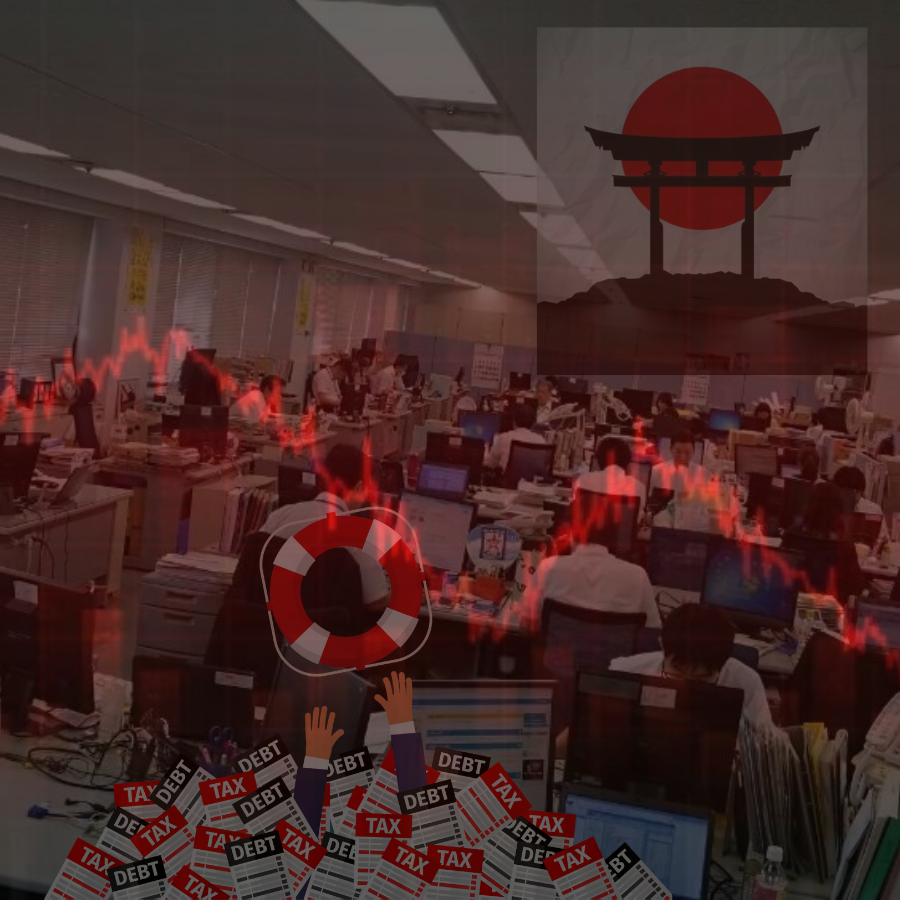
According to the Nikkei article from October 10, 2026, Japan closed 2025 with another rise in corporate bankruptcies, according to new data released by Teikoku Databank. A total of 881 companies failed in December, exceeding the previous year’s figure for the same month. This marked the fourth straight annual increase for December, highlighting ongoing financial stress among businesses. Although monthly figures fluctuate, the overall trend points to fragile corporate conditions. Higher costs, tighter financing, and weaker demand continue to weigh on many firms. Small and medium-sized enterprises remain especially vulnerable. The data suggests that structural challenges have not yet eased. Instead, pressure has intensified toward the end of the year.
Beyond the number of failures, the financial impact was particularly significant. Total liabilities reached nearly ¥290 billion, the highest monthly amount recorded in 2025. This sharp increase reflects the collapse of several large companies. One technology-oriented firm in the drone and mining equipment sector alone accounted for roughly half of the total debt. Such concentration shows how single large bankruptcies can distort annual figures. Nevertheless, smaller firms still made up the majority of cases. Together, these trends underline both systemic weakness and isolated major shocks. The combination adds volatility to Japan’s corporate landscape.
Service companies recorded the largest number of bankruptcies in December. This category reached its highest December level since records began in 2000. Wholesale businesses also experienced a sharp increase, exceeding 100 cases for the first time in five months. Management-related issues, including illness or death of business owners, emerged as an unusually common trigger. Most failed firms entered liquidation rather than restructuring. Low-debt cases dominated, showing the fragility of micro-enterprises. At the same time, a small number of very large collapses reappeared. Start-ups and young firms represented almost one-third of all failures.
Japan’s December figures confirmed that bankruptcy risks remain elevated across the economy. The return to year-on-year growth after two months of decline suggests that the slowdown was temporary. Persistent inflationary pressures and labor shortages continue to strain profitability. Access to financing has also tightened for weaker firms. While major bankruptcies attract attention, the bulk of cases involve small operators with limited reserves. These businesses often lack the capacity to absorb prolonged cost increases. As a result, closures are increasingly becoming unavoidable.
The service sector emerged as the most affected industry group. Restaurants, personal services, and small contractors were particularly vulnerable. Wholesale companies followed closely, recording the fastest growth rate in failures among all industries. Rising logistics costs and unstable demand have eroded margins. Many firms also struggle to pass higher expenses on to customers. This has reduced cash flow and weakened balance sheets. The data highlights how domestic-oriented sectors are now facing stresses similar to manufacturing. Labor shortages have further intensified operational difficulties, especially for small service providers. At the same time, digital transformation requires new investments that many firms cannot afford. As competition increases, weaker players are pushed out more rapidly than in previous years. These pressures suggest that structural consolidation in the service and wholesale sectors is likely to continue.
Geographically, bankruptcies increased in six of Japan’s nine major regions. The Kanto area recorded the highest number of cases and has now seen year-on-year growth for seven consecutive months. The Kansai region also continued its upward trend for the fourth year in a row for December. Urban centers appear especially exposed due to high operating costs. Rural regions showed more stable figures but remain vulnerable to sudden shocks. These regional differences reflect varying industrial structures and labor markets. Overall, financial strain is widely distributed rather than localized. Large metropolitan areas face particularly high rent and wage expenses, accelerating business closures. In contrast, regional firms often struggle with shrinking populations and limited local demand. Transportation costs also weigh more heavily outside major hubs. Together, these factors create distinct but equally challenging survival conditions across the country.
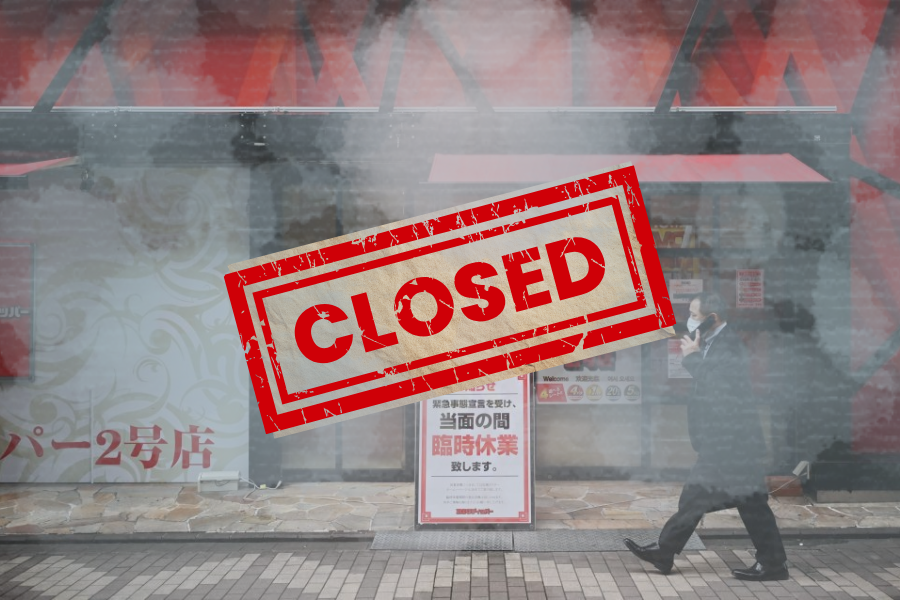
Japan enters 2026 with clear signs that corporate stability remains fragile. While economic activity has not collapsed, bankruptcy figures show that many firms are operating with minimal buffers. The dominance of small-scale liquidations points to deep structural vulnerability among micro-businesses. At the same time, occasional large failures amplify financial risk and uncertainty. Unless cost pressures ease and demand improves, insolvencies are likely to remain elevated. The December data therefore serves as a warning signal rather than a temporary anomaly.
The service sector emerged as the most affected industry group. Restaurants, personal services, and small contractors were particularly vulnerable. Wholesale companies followed closely, recording the fastest growth rate in failures among all industries. Rising logistics costs and unstable demand have eroded margins. Many firms also struggle to pass higher expenses on to customers. This has reduced cash flow and weakened balance sheets. The data highlights how domestic-oriented sectors are now facing stresses similar to manufacturing. Labor shortages have further intensified operational difficulties, especially for small service providers. At the same time, digital transformation requires new investments that many firms cannot afford. As competition increases, weaker players are pushed out more rapidly than in previous years. These pressures suggest that structural consolidation in the service and wholesale sectors is likely to continue.
Geographically, bankruptcies increased in six of Japan’s nine major regions. The Kanto area recorded the highest number of cases and has now seen year-on-year growth for seven consecutive months. The Kansai region also continued its upward trend for the fourth year in a row for December. Urban centers appear especially exposed due to high operating costs. Rural regions showed more stable figures but remain vulnerable to sudden shocks. These regional differences reflect varying industrial structures and labor markets. Overall, financial strain is widely distributed rather than localized. Large metropolitan areas face particularly high rent and wage expenses, accelerating business closures. In contrast, regional firms often struggle with shrinking populations and limited local demand. Transportation costs also weigh more heavily outside major hubs. Together, these factors create distinct but equally challenging survival conditions across the country.
Japan enters 2026 with clear signs that corporate stability remains fragile. While economic activity has not collapsed, bankruptcy figures show that many firms are operating with minimal buffers. The dominance of small-scale liquidations points to deep structural vulnerability among micro-businesses. At the same time, occasional large failures amplify financial risk and uncertainty. Unless cost pressures ease and demand improves, insolvencies are likely to remain elevated. The December data therefore serves as a warning signal rather than a temporary anomaly.