Imports surge, trade surplus narrows, and weaker overseas demand raises questions over momentum
China’s Export Growth Slows Sharply in March 2026
Imports surge, trade surplus narrows, and weaker overseas demand raises questions over momentum
PUBLISHED April 28, 2026
Export Growth Loses Speed
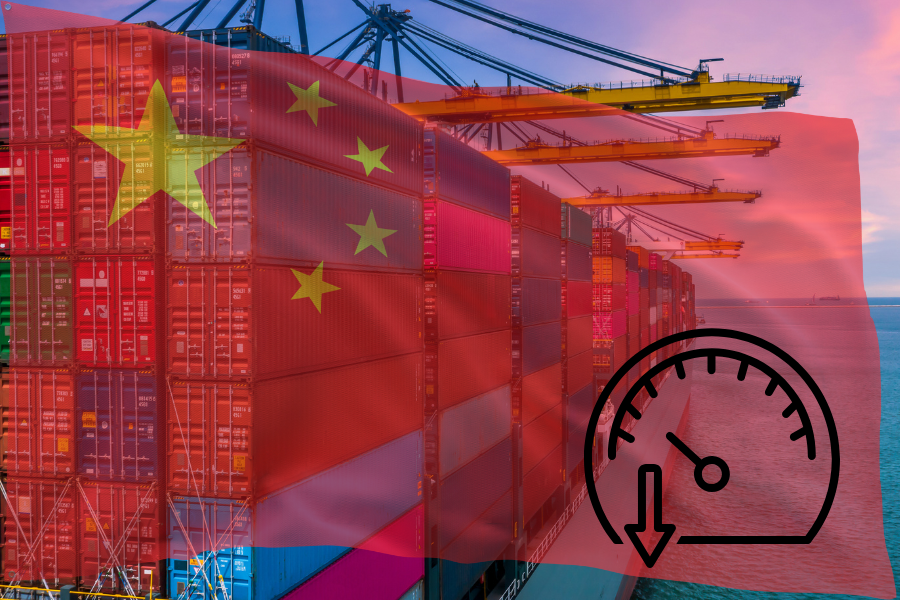
According to “China trade data March exports imports March” published by CNBC, China’s exports rose 2.5% in March 2026 compared with a year earlier. While still positive, the figure marked a sharp slowdown from the 21.8% growth recorded in the first two months of the year, signaling softer momentum in the country’s external sector.
Result Missed Market Expectations
The March export figure came in below analyst forecasts. CNBC reported that economists had expected stronger growth, making the latest result a disappointment for markets watching China’s trade-driven recovery.
Imports Surge Unexpectedly
In contrast to slower exports, imports jumped 27.8% in March, far stronger than expected. The rise suggested firmer domestic demand, higher commodity purchases, and increased import costs tied to global price movements.
Trade Surplus Narrows Significantly
Because imports rose much faster than exports, China’s trade surplus shrank notably in March. CNBC said the surplus fell to around $51 billion, much lower than previous months and below market forecasts.
Trade Surplus Narrows Significantly
Because imports rose much faster than exports, China’s trade surplus shrank notably in March. CNBC said the surplus fell to around $51 billion, much lower than previous months and below market forecasts.
Energy Prices and Global Risks Matter
The article noted that geopolitical tensions and rising energy prices linked to the Middle East conflict were weighing on trade conditions. Higher shipping and input costs may have contributed to weaker export growth while lifting import values.
China Still Relies on Exports for Growth
Exports remain one of China’s most important growth engines, especially while the property sector and domestic consumption continue facing pressure. A prolonged slowdown in overseas demand could therefore become a broader economic concern in 2026.
Outlook Depends on Demand Recovery
The March data presents a mixed picture: weaker exports but stronger imports. If global demand improves, China’s exporters could regain momentum later this year. If external uncertainty continues, trade growth may remain uneven through the rest of 2026.
Energy Prices and Global Risks Matter
The article noted that geopolitical tensions and rising energy prices linked to the Middle East conflict were weighing on trade conditions. Higher shipping and input costs may have contributed to weaker export growth while lifting import values.
China Still Relies on Exports for Growth
Exports remain one of China’s most important growth engines, especially while the property sector and domestic consumption continue facing pressure. A prolonged slowdown in overseas demand could therefore become a broader economic concern in 2026.
Outlook Depends on Demand Recovery
The March data presents a mixed picture: weaker exports but stronger imports. If global demand improves, China’s exporters could regain momentum later this year. If external uncertainty continues, trade growth may remain uneven through the rest of 2026.
Follow us on LinkedIn!
Follow us on LinkedIn!
Would you like to sell your products or services worldwide?
Schedule an appointment with our international sales team
Would you like to sell your products or services worldwide?
Schedule an appointment with our international sales team