Energy shock linked to Middle East tensions pushes prices higher and increases pressure on the ECB
Austria’s Inflation Jumps Sharply in March 2026
Energy shock linked to Middle East tensions pushes prices higher and increases pressure on the ECB
PUBLISHED April 28, 2026
Inflation Accelerates Unexpectedly
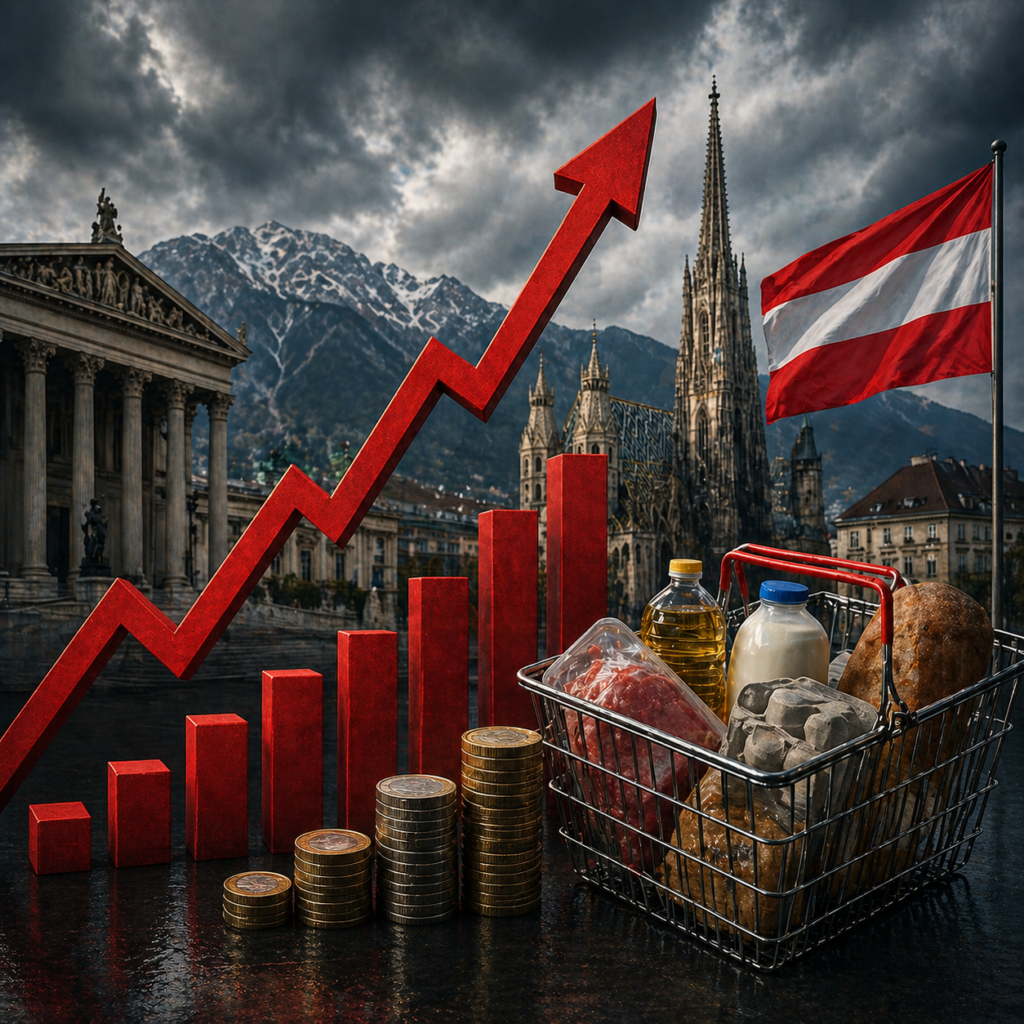
According to “Inflation schnellt auf 3,1 Prozent” published by ORF.at, Austria’s annual inflation rate surged to 3.1% in March 2026, based on a flash estimate from Statistik Austria. This marked a sharp rise from 2.2% in February and returned inflation to levels last seen in the first half of 2025.
Energy Prices Behind the Surge
Statistics Austria said the increase was driven almost entirely by sudden jumps in fuel and heating oil prices. Energy prices, which had fallen 4.1% year-on-year in February, rose by 6.1% in March. The shift highlights how quickly geopolitical shocks can reverse previous inflation relief.
Middle East Conflict Impacts Europe
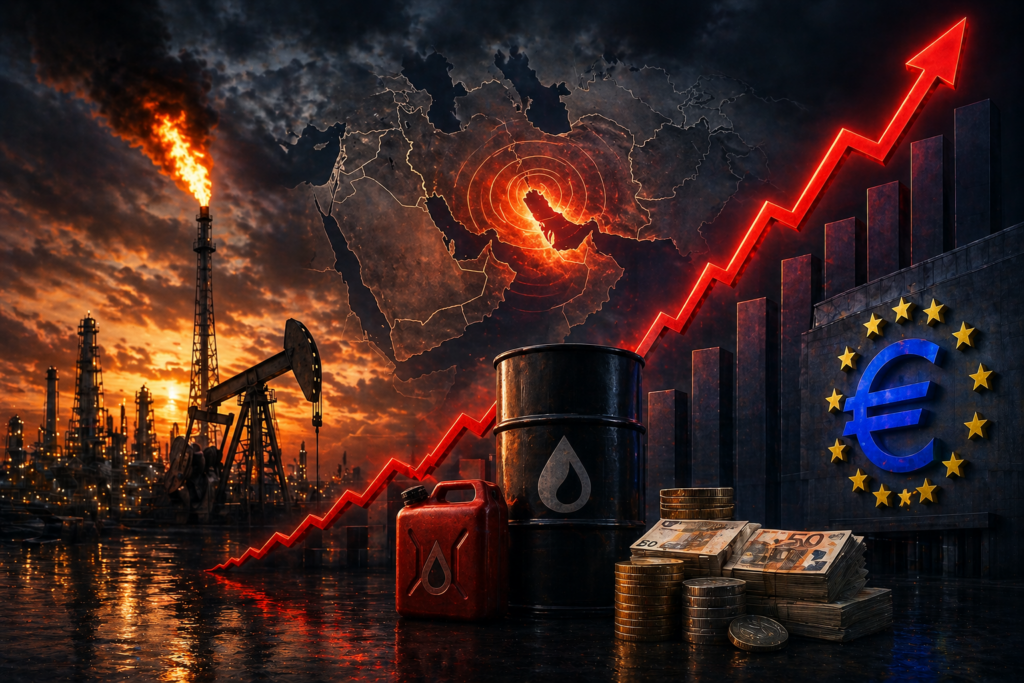
The report noted that the economic consequences of the Iran war were reflected in Austrian inflation data for the first time. Following the outbreak of conflict involving the United States and Israel at the end of February, global oil prices climbed rapidly. Fuel costs rose immediately, with gas prices also moving higher.
Services Still the Main Driver
Despite the energy shock, services remained the largest structural contributor to inflation. Service prices rose by 4.5% in March after a 4.0% increase in February. This suggests that domestic price pressures remain present even beyond commodity-related volatility.
Services Still the Main Driver
Despite the energy shock, services remained the largest structural contributor to inflation. Service prices rose by 4.5% in March after a 4.0% increase in February. This suggests that domestic price pressures remain present even beyond commodity-related volatility.
Eurozone Inflation Also Rising
Austria was not alone in facing renewed price pressure. ORF reported that eurozone inflation also increased in March to 2.5%, up from 1.9% in February. This broader trend adds pressure on the European Central Bank to reconsider its interest-rate path.
Growth Forecasts Under Pressure
Austria’s central bank had already reduced its growth outlook due to rising energy costs. The OeNB now expects economic growth of only 0.5% in its base scenario, compared with a previous forecast of 0.8%. If energy prices remain elevated for longer, both growth and inflation risks could worsen.
A Fragile Outlook for 2026
Austria now faces a more uncertain economic path for the remainder of 2026. If geopolitical tensions ease, inflation could moderate again later in the year. But if energy markets remain unstable, households, businesses, and policymakers may need to prepare for a longer period of higher prices and weaker growth.
Eurozone Inflation Also Rising
Austria was not alone in facing renewed price pressure. ORF reported that eurozone inflation also increased in March to 2.5%, up from 1.9% in February. This broader trend adds pressure on the European Central Bank to reconsider its interest-rate path.
Growth Forecasts Under Pressure
Austria’s central bank had already reduced its growth outlook due to rising energy costs. The OeNB now expects economic growth of only 0.5% in its base scenario, compared with a previous forecast of 0.8%. If energy prices remain elevated for longer, both growth and inflation risks could worsen.
A Fragile Outlook for 2026
Austria now faces a more uncertain economic path for the remainder of 2026. If geopolitical tensions ease, inflation could moderate again later in the year. But if energy markets remain unstable, households, businesses, and policymakers may need to prepare for a longer period of higher prices and weaker growth.
Follow us on LinkedIn!
Follow us on LinkedIn!
Would you like to sell your products or services worldwide?
Schedule an appointment with our international sales team
Would you like to sell your products or services worldwide?
Schedule an appointment with our international sales team