Germany’s Producer Prices Send Mixed Signals in March 2026
Sharp monthly jump driven by energy costs contrasts with slight annual decline, highlighting renewed inflation pressure
Germany’s Producer Prices Send Mixed Signals in March 2026
Sharp monthly jump driven by energy costs contrasts with slight annual decline, highlighting renewed inflation pressure
PUBLISHED April 28, 2026
Producer Prices Surprise Markets
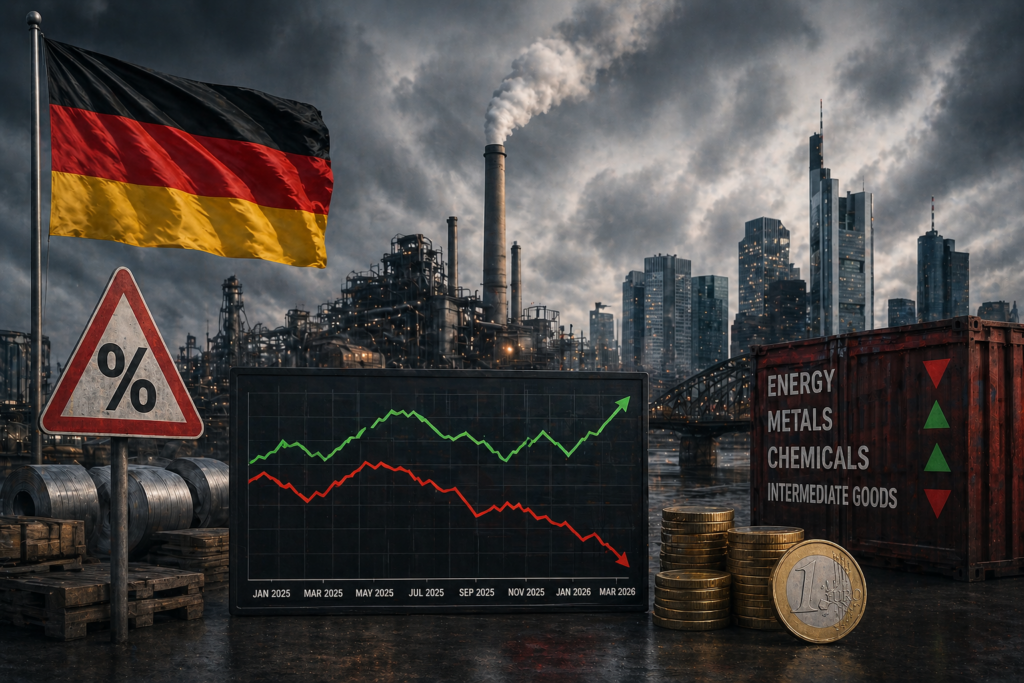
According to “KORREKTUR: Erzeugerpreise im März 2026: -0,2 % gegenüber März 2025” published by Destatis, Germany’s producer prices fell by 0.2% in March 2026 compared with the same month last year. However, on a monthly basis, prices surged by 2.5% compared with February, marking the strongest month-on-month increase since August 2022.
Energy Costs Drive the Increase
A major factor behind the slowdown is the continued weakness in industrial activity, which remains under pressure from both domestic and international challenges. Production and new orders have shown signs of decline, reflecting cautious business sentiment and reduced demand. Export-oriented industries in particular continue to struggle, as global economic conditions remain uncertain and external demand has not fully recovered.
Mixed Signals from Consumption and Labour Market
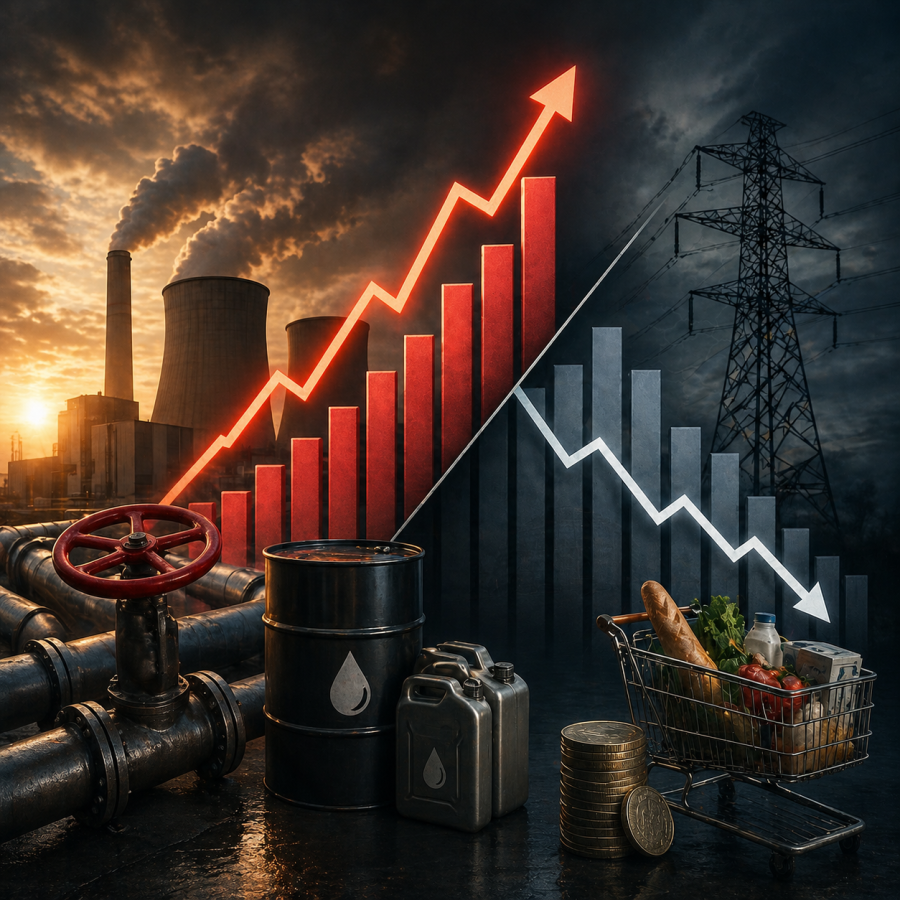
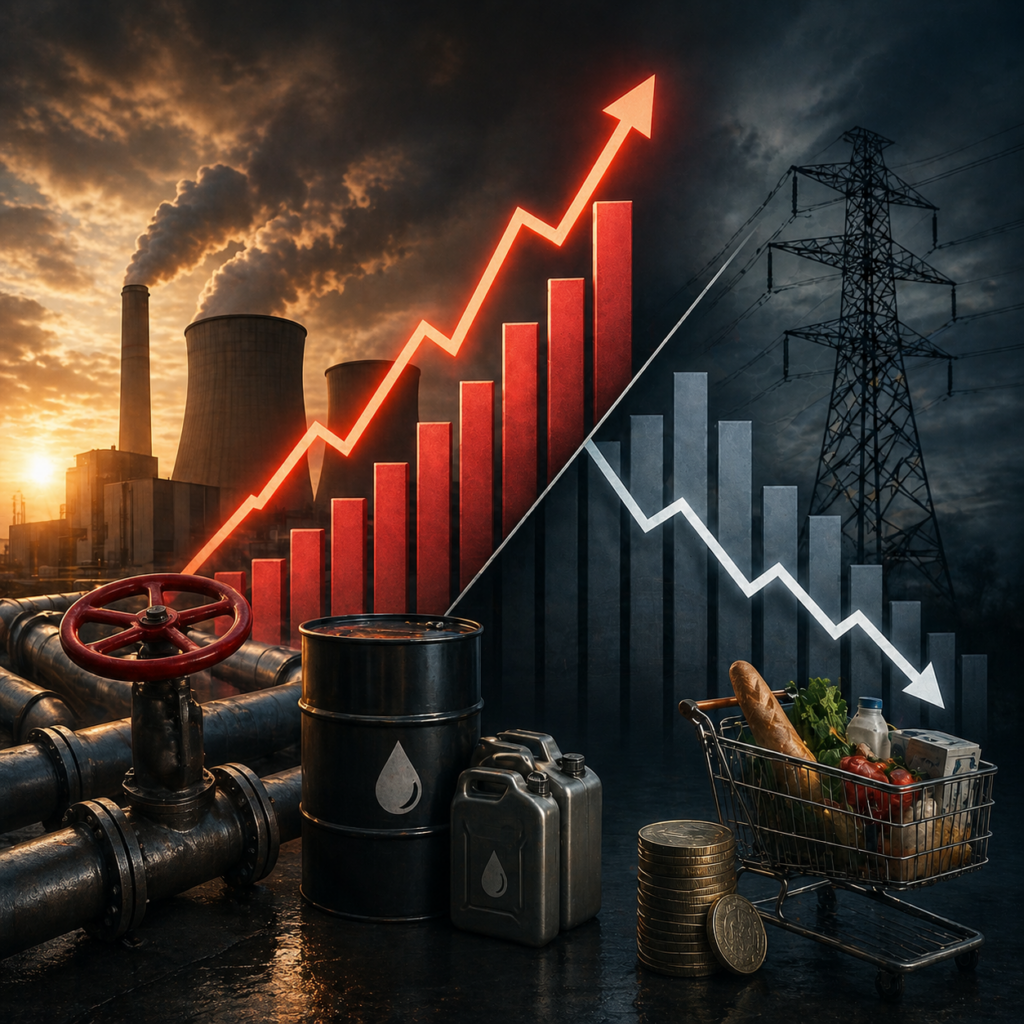
Among the most notable movements were petroleum-based products. Mineral oil prices rose 18.3% compared with March 2025 and jumped 22.9% from the previous month. Heating oil prices increased more than 55% year-on-year, while fuels were nearly 30% more expensive than a year earlier.
Gas and Electricity Ease Annual Pressure
Despite the surge in oil-related products, lower annual prices for natural gas and electricity helped offset broader inflationary pressure. Electricity prices were 5.8% lower than a year earlier, while distributed natural gas prices also declined on an annual basis. This explains why the total producer price index still showed a slight yearly decrease.
Gas and Electricity Ease Annual Pressure
Despite the surge in oil-related products, lower annual prices for natural gas and electricity helped offset broader inflationary pressure. Electricity prices were 5.8% lower than a year earlier, while distributed natural gas prices also declined on an annual basis. This explains why the total producer price index still showed a slight yearly decrease.
Industrial Goods Become More Expensive
Outside energy, producer prices rose more steadily. Capital goods prices increased 1.9% year-on-year, including machinery and automotive components. Intermediate goods prices were up 1.5%, with metals, timber products, and certain raw materials showing clear upward pressure.
What It Means for Consumers and Business
Producer prices are often seen as an early indicator for future consumer inflation. Rising industrial input costs can eventually feed through into retail prices, transport expenses, and manufactured goods. If energy prices remain elevated, businesses across Germany may face renewed margin pressure in the coming months.
Germany’s Inflation Outlook Remains Uncertain
The March data presents a mixed picture for Europe’s largest economy. While annual producer inflation remains contained, the sharp monthly jump suggests that geopolitical shocks can quickly reverse recent progress. For investors, companies, and policymakers, energy market stability may once again become a decisive factor in Germany’s 2026 economic outlook.
Industrial Goods Become More Expensive
Outside energy, producer prices rose more steadily. Capital goods prices increased 1.9% year-on-year, including machinery and automotive components. Intermediate goods prices were up 1.5%, with metals, timber products, and certain raw materials showing clear upward pressure.
What It Means for Consumers and Business
Producer prices are often seen as an early indicator for future consumer inflation. Rising industrial input costs can eventually feed through into retail prices, transport expenses, and manufactured goods. If energy prices remain elevated, businesses across Germany may face renewed margin pressure in the coming months.
Germany’s Inflation Outlook Remains Uncertain
The March data presents a mixed picture for Europe’s largest economy. While annual producer inflation remains contained, the sharp monthly jump suggests that geopolitical shocks can quickly reverse recent progress. For investors, companies, and policymakers, energy market stability may once again become a decisive factor in Germany’s 2026 economic outlook.
Follow us on LinkedIn!
Follow us on LinkedIn!
Would you like to sell your products or services worldwide?
Schedule an appointment with our international sales team
Would you like to sell your products or services worldwide?
Schedule an appointment with our international sales team